

What is an artist residency?
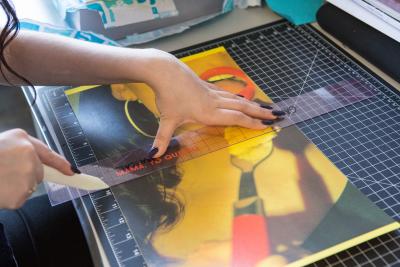
Artists need time and space for experimentation and discovery. Artist residencies can play a critical role in the ongoing development of an artist’s career. Residencies can vary significantly in terms of location, structure, and mission. Yet most offer some variation of room/board, focused time, access to studio facilities, and community engagement. They have the potential to boost an artist’s body of work, networking connections, and their career.
Advice for Applying to Artist Residencies
1. Understand Your Needs and Goals
Understanding your reasons for wanting to experience an artist residency is critical. Start by asking yourself questions such as:
- Why are you considering a residency in the first place?
- What do you hope to gain from the experience?
- What does it offer that you need?
- How long do you want a residency experience to last?
- What tools or equipment do you require to make the work you aspire to create?
- Do you have an end outcome in mind, or are you exploring a process or concept in an open-ended fashion?
These are critical self-reflection questions that you need to consider before you start exploring residency options. Also, you need to understand your financial requirements. What type of financial support do you need from the residency experience (if any)? Some residencies may include fees to participate in, but there may also be hidden costs associated such as transportation, materials, or meals. Consider your financial situation and what your needs are to help inform your search.
2. Do Your Research On The Variety of Residency Options
Residency programs vary considerably! For example, just some of the ways they differ include things like geographic location, length of stay, program design, living spaces, workspace and tools, costs versus financial support, community engagement, curator visits, and more! Part of your process should be searching for residency programs that match your needs and interests. Explore the search tools available on this page for assistance in finding programs. The more you know about what makes a residency program a unique fit for you, the better you will be able to articulate that in the application.
Beyond some of the aspects noted above, residencies may also differ by the type of artists they seek to serve. Some may focus on emerging artists, while others may prioritize seasoned artists. Some may be open to anyone! Some residencies may also aim to support artists working in a specific creative discipline. You should also be aware that some residencies may not be open to those currently enrolled in a degree program. You need to be sure you are a good fit based on the type of work you create and the stage of your career you are currently in.
Understand the type of residency program structure that the opportunity provides. Some residencies are very open-ended, allowing participants to spend the time as they wish without any predetermined projects or outcomes expected. Residents in these types of programs may use the time to perform research or experiment with new processes. Other programs may ask you to submit a proposal as part of your application that outlines your intended goals and hopeful outcomes during the residency period. For these, participants may even be asked to exhibit or otherwise showcase work that has been produced during the residency. Knowing which type of program structure is the right fit for you at this moment is important.
3. Reach Out and Ask Questions
As a first step, make sure you are reading any available FAQs or similar content that may be on the residency program’s website. Many programs have this content, and it is helpful in addressing common questions around studio space, funding, application materials, and more. Many residencies will also offer info sessions for prospective applicants to learn more about their program. They also often have a point of contact who is available to answer questions from potential applicants. Take advantage of these resources to learn more and address any concerns you may have!
4. Speak with Artists Who Have Experience
Many residency programs will note the artists or designers who have participated in the past on their website. Understanding who the award recipients are is a great way to learn more about the type of creatives the residency tends to accept. You may also learn about how the residency benefited those individuals in their career paths and how it played a role in their artistic growth.
Don’t stop there though! Consider actually reaching out to these individuals to see if you can have brief conversations with them. Learn firsthand about their experience at the residency. These conversations may further inform if the residency is a good fit for you. These artists may also be able to offer tips in terms of their application approach.
Consider speaking with faculty in your department to get advice referencing their own residency experiences. Your professors can often provide expert insight and dive into the various pros and cons of the residency experience.
5. Find Additional Funding (if needed)
Though some residencies fully cover the cost of attendance (and may even provide a stipend), some do not. If the residency has fees associated, you may need an additional funding source to cover costs.
First, be sure that you have exhausted all possible funding sources that may be offered by the residency itself (scholarships, work-exchange programs). The best and most common source of funding for a residency is the residency itself. Contact the residency and ask about any funding sources just to be sure. They may not always advertise funding, so consider asking.
Beyond funding offered by the residency program, you may want to consider outside funding sources too. Some options to explore include your local state art council, regional art foundations, private grant foundations, or the On The Move international grant funding guides.
Some creatives might even consider crowdfunding their residency experience. Depending on the type of residency and the nature of the work you aim to create, you might be able to build a crowdfunding campaign around your residency experience. Crowdfunding platforms like Kickstarter, Indiegogo, and Go Fund Me may offer an alternative funding route.
6. Prepare Your Professional Presentation
Residency programs also vary in terms of the materials they request as part of the application process. Some programs may only ask you to submit a selection of creative work samples (portfolio) alongside a CV or resume. Others may be more in depth, asking for those items but also additional written elements such as an artist statement or project proposal. Some programs may even request a short video recording where you introduce yourself and your artistic practice.
In general, your portfolio presentation is going to be the most critical factor in evaluation for acceptance. As such, you should spend ample time reviewing your work, assessing its documentation, identifying the strongest samples, and producing a cohesive presentation.
Part of your research process will be to understand the application requirements of the programs you are considering. Still, it is often a valuable practice to have a foundation for your professional application materials in advance of applying. If possible, try to work on creating the following common materials to get a head start on most applications: portfolio, resume/cv, and artist statement. If you need help, Career Center advisors are here to assist you!
7. Be Specific and Well-Aligned With The Residency In Your Application
One aspect of the application process that people sometimes struggle with is being asked to write a project proposal or similar essay. Typically, residencies request these to get a better sense of how you intend to spend your time during the experience and why you feel that this particular residency is a good fit for you and your practice. When writing these types of essays, it is helpful to have some overarching themes in mind.
Write in a clear and direct fashion. Avoid using art jargon or overly complex language. The review committee that evaluates applicants will likely be made up of a mix of artistic and cultural professionals. While it is typically an educated audience, they may not all be experts in the same artistic discipline or art historical movements that you are. Keep that in mind as you write.
If you are writing a project proposal, consider explaining your project aims by addressing some key elements. Focus on potentially addressing questions such as:
- What do you hope to produce?
- How does this work build upon your artistic practice?
- What is your plan for making the work?
- What is the rough timeline for production?
- What might the impact of this work be for your practice, the broader artistic discipline, or even society at large?
- Will developing this work help advance your professional goals?
Answering these questions may help you form the basis of a compelling project proposal. You also need to make sure you are addressing the fit of this specific residency program with your needs in particular in your writing. Consider asking yourself questions such as: What does the residency offer that you can benefit from? How specifically will this time and space benefit your practice? Will engaging with other artists at the residency benefit your work? What tools or resources at the residency can you utilize and how? Will visiting curators offer new perspectives on your practice? Being specific about the ways you can benefit from the experience will help the review committee see the value in your participation.
8. Track Your Progress and Prepare To Submit
This one is simple, but important! Track your application progress and make a plan to submit by the deadline. We actually recommend that you submit early, as this can help ensure that you are able to manage any technical challenges that could arise. Before submitting, you might consider printing and reviewing any written components with a red pen to catch errors or typos. Review your work samples in multiple viewing formats to ensure they hold up well.
If you are declined, you should strongly consider applying again in the future! Many residencies state they appreciate repeat applicants and can point to numerous instances where someone was accepted after initially being declined. Reviewers may remember you, and will see this as sincere motivation and commitment.


